Exploring a lectin-free approach often begins with a detailed food list, like the “Plant Paradox Shopping List 2025”, categorizing foods by lectin content for easier navigation.
Many resources, including those from Creative in My Kitchen and Amazon, offer comprehensive guides and meal plans to support this dietary shift, focusing on gut health.
What are Lectins?
Lectins are a family of proteins found in many plants, and understanding their role is central to the lectin-free diet. These proteins act as a defense mechanism for plants, and can interfere with the human digestive process. Resources like those detailing the “Plant Paradox” emphasize that lectins can bind to the lining of the gut, potentially causing inflammation and hindering nutrient absorption.
While present in many foods, not all lectins are equally problematic. The level of concern varies, and preparation methods – peeling, deseeding, soaking, or pressure-cooking – can reduce lectin content in certain foods, as noted by Shared Legacy Farms. However, a lectin-free food list PDF, such as the 2025 shopping guide, helps individuals identify and manage their intake based on these varying levels.
The Plant Paradox and Dr. Gundry
Dr. Steven Gundry popularized the lectin-free diet through his book, “The Plant Paradox,” arguing that lectins are a major contributor to inflammation and various health issues. His approach categorizes foods into “YES” and “NO” lists, forming the basis for many lectin-free food list PDFs available today.
Creative in My Kitchen specifically highlights that many online lists are based on Dr; Gundry’s recommendations, but their version uniquely organizes foods into levels, mirroring his food pyramid. This tiered system, ranging from unrestricted Level 1 foods to limited Level 5 items, provides a nuanced guide for those following the diet. Understanding Dr. Gundry’s framework is key to effectively utilizing these resources and navigating a lectin-free lifestyle.
Potential Benefits of a Lectin-Free Diet
Proponents of a lectin-free diet, guided by resources like Angela R. Staten’s comprehensive food list and meal plans, suggest several potential health benefits. These include weight loss, reduced inflammation, and improved gut health, all achievable with careful adherence to a lectin-free food list PDF.
However, it’s crucial to note that, as stated by the Mayo Clinic, there is currently no scientific evidence to support claims that a lectin-free diet cures autoimmune diseases or other medical conditions. While some individuals report positive experiences, these benefits are largely anecdotal. Utilizing a detailed food list helps individuals identify and eliminate potential triggers, but should be approached as part of a broader health strategy.

Level 1: Lectin-Free Foods – Unlimited Consumption
According to Dr. Gundry’s food pyramid, detailed in lists like the “Plant Paradox Shopping List 2025”, Level 1 foods can be enjoyed without restriction.
Olive Oil and Avocado Oil
Both olive oil and avocado oil are foundational components of a lectin-free diet, residing comfortably on Level 1 of Dr. Gundry’s food hierarchy as outlined in resources like the “Plant Paradox Shopping List 2025”. These oils are considered safe for unlimited consumption due to their minimal lectin content.
They serve as excellent choices for cooking, salad dressings, and general flavoring, providing healthy fats without the potential inflammatory responses associated with lectins. Unlike many processed oils, these options support overall well-being within the framework of the lectin-free lifestyle. Choosing high-quality, extra virgin varieties is often recommended to maximize nutritional benefits.
These oils are staples for those navigating the diet, offering versatility and peace of mind when building meals.
Leafy Green Vegetables
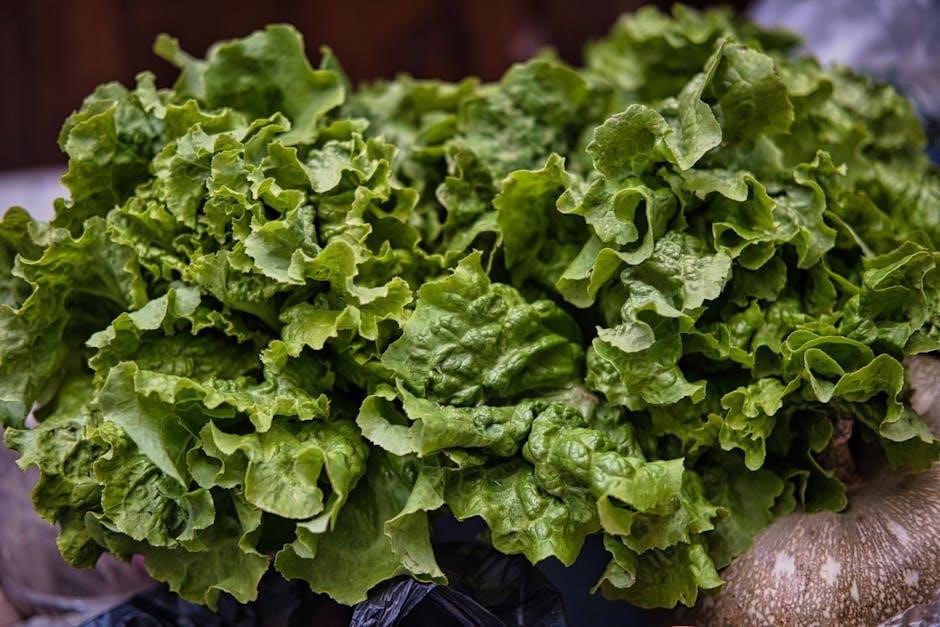
Leafy green vegetables are a cornerstone of the lectin-free diet, firmly placed on Level 1 – meaning unlimited consumption – according to the categorization found in resources like the “Plant Paradox Shopping List 2025”. This includes varieties such as spinach, kale, collard greens, and romaine lettuce.
These vegetables are nutrient-dense and naturally low in lectins, making them a safe and healthy choice for individuals following this dietary approach. They provide essential vitamins, minerals, and fiber, contributing to overall health and well-being. Incorporating a wide variety of leafy greens ensures a diverse intake of beneficial compounds.
They are incredibly versatile and can be enjoyed raw in salads or lightly steamed as a side dish.
Cruciferous Vegetables
Similar to leafy greens, cruciferous vegetables also enjoy a prominent position on Level 1 of Dr. Gundry’s lectin-free food pyramid, as detailed in resources like the “Plant Paradox Shopping List 2025”. This signifies unrestricted consumption for those adhering to the diet.
Examples include broccoli, cauliflower, cabbage, Brussels sprouts, and kale (which overlaps with leafy greens!). These vegetables are celebrated for their potent antioxidant and anti-inflammatory properties, contributing to improved gut health and overall wellness. They are packed with vital nutrients and fiber.
Enjoy them roasted, steamed, or even riced as a low-lectin alternative to grains.
Berries
Berries are a delightful addition to the lectin-free lifestyle, firmly placed on Level 1 – meaning unlimited consumption – according to the categorization found in resources like the “Plant Paradox Shopping List 2025”. This makes them a fantastic go-to for satisfying sweet cravings without compromising dietary principles.
Strawberries, blueberries, raspberries, and blackberries are all excellent choices, brimming with antioxidants and fiber. They support gut health and offer a natural energy boost. Unlike many fruits, berries generally have a lower lectin content, making them safe for unrestricted enjoyment.
Incorporate them into smoothies, enjoy them as a snack, or add them to lectin-free breakfasts!
Level 2: Foods to Enjoy in Moderation
This level includes certain fruits, grass-fed meats, pasture-raised poultry, and wild-caught fish – foods permissible, but not unlimited, based on the lectin-free pyramid.
Certain Fruits (excluding high-lectin varieties)
Navigating fruit choices on a lectin-free diet requires careful consideration, as not all fruits are created equal. Resources like the Plant Paradox shopping lists categorize fruits based on their lectin content, guiding mindful consumption.
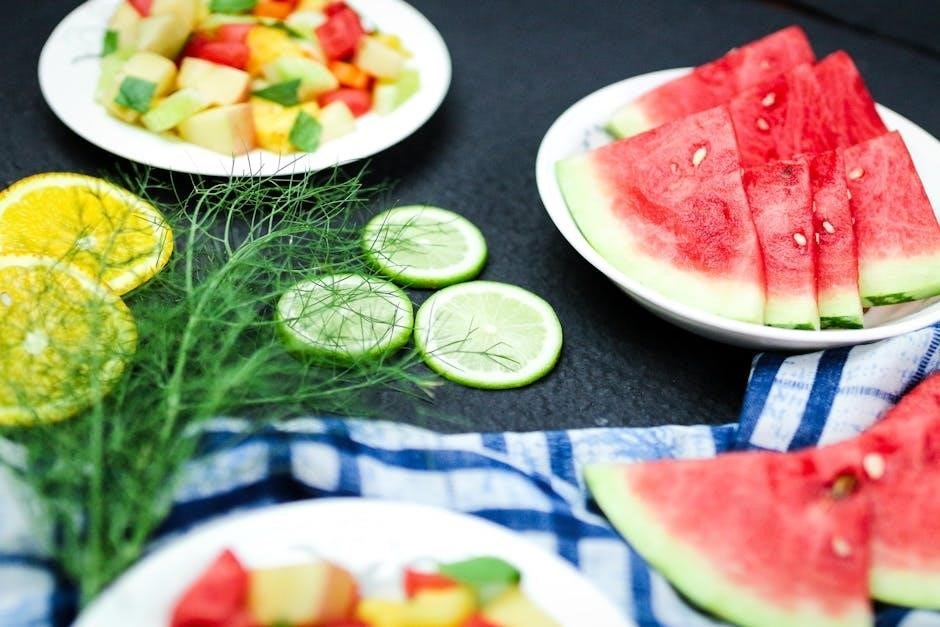
While some fruits are welcomed in moderation, it’s crucial to exclude those identified as high in lectins. Generally, fruits with edible seeds are often higher in lectins and should be limited. Berries, however, consistently appear on “yes” lists, offering a sweet and safe option.
Prioritizing lower-lectin fruits allows for enjoyment without significantly impacting the diet’s goals. Remember to consult comprehensive lists, such as those found on Amazon, for a detailed understanding of appropriate fruit selections.
Grass-Fed Meats
Grass-fed meats are generally considered a cornerstone of a lectin-free diet, consistently appearing on approved food lists like those derived from Dr. Gundry’s research and compiled by sources like Creative in My Kitchen.
The emphasis on grass-fed options stems from the belief that animals raised on pasture have a healthier fat profile and lower lectin load compared to grain-fed counterparts. This makes them a safe and nutritious protein source for those following the Plant Paradox protocol.
When utilizing a lectin-free food list PDF, you’ll find grass-fed beef, lamb, and bison prominently featured. Prioritizing quality sourcing ensures adherence to the diet’s principles and supports overall health goals.
Pasture-Raised Poultry
Similar to grass-fed meats, pasture-raised poultry is a favored protein source within the lectin-free framework, frequently highlighted in comprehensive food lists like those available as PDFs – such as the “Plant Paradox Shopping List 2025”.
The key distinction lies in the birds’ diet and living conditions. Pasture-raised poultry enjoys access to a natural diet of insects, seeds, and plants, resulting in a healthier fat composition and reduced lectin content compared to conventionally raised birds.
Lectin-free resources emphasize choosing poultry that has been allowed to roam freely, contributing to both nutritional value and ethical considerations. These options are consistently recommended for inclusion in a lectin-conscious meal plan.
Wild-Caught Fish
Wild-caught fish consistently appears as a “YES” food on lectin-free diet lists, including those formatted as convenient PDFs like the “Plant Paradox Shopping List 2025”. This is due to their naturally low lectin content and beneficial omega-3 fatty acid profile.
Unlike farmed fish, wild-caught varieties haven’t been fed grains – a primary source of lectins – ensuring a cleaner protein source. Resources emphasize prioritizing fish like salmon, sardines, and mackerel for optimal health benefits.
These options are frequently featured in lectin-free cookbooks and meal plans, offering a delicious and nutritious way to adhere to the dietary guidelines. Choosing wild-caught fish supports both personal wellness and sustainable fishing practices.
Level 3: Foods Requiring Preparation to Reduce Lectins
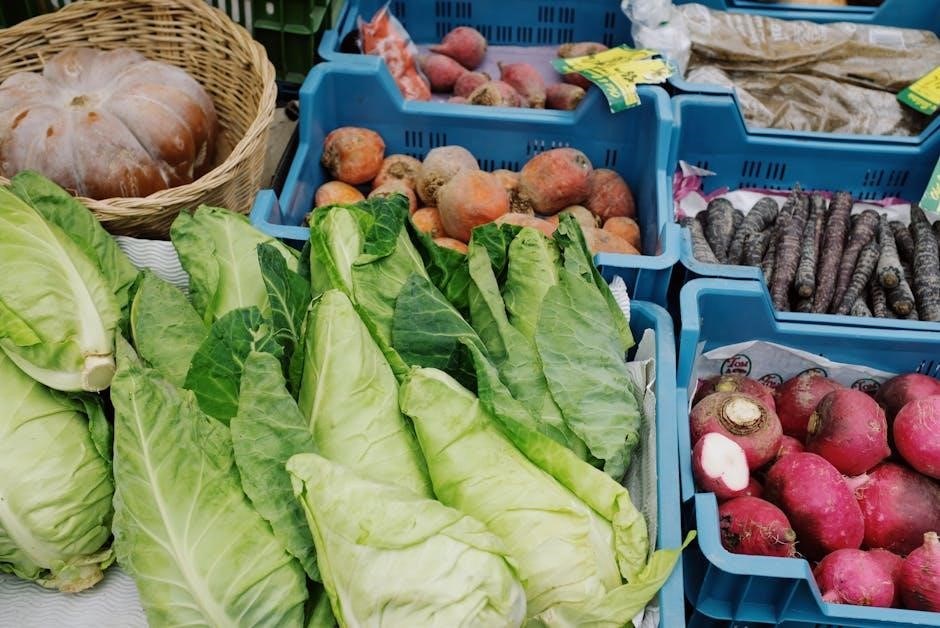
Certain foods, like squash, potatoes, beans, and pumpkin, can be consumed if properly prepared – peeled, deseeded, soaked, or pressure-cooked – to minimize lectin content.
Potatoes (peeled and deseeded)
Potatoes present a nuanced situation within the lectin-free framework. While generally categorized as a food to limit or avoid, they can be included with significant preparation. The key lies in completely removing the skin and meticulously deseeding the potato before cooking.
This process is crucial because the majority of lectins in potatoes are concentrated in the peel and eyes (seeds). Shared Legacy Farms highlights that reducing lectins involves peeling and deseeding. However, many individuals opting for a stricter approach simply eliminate potatoes altogether for simplicity.
Resources like the “Plant Paradox Shopping List 2025” likely indicate potatoes as Level 3, requiring this preparation. Remember, even with these steps, individual tolerance varies, and monitoring your body’s response is essential.
Squash (deseeded)
Similar to potatoes, squash occupies a middle ground on the lectin-free spectrum, requiring preparation for consumption. The primary method for reducing lectin content in squash is thorough deseeding before cooking. The seeds themselves contain a significant concentration of these proteins.
Shared Legacy Farms specifically mentions squash as a vegetable where lectins can be reduced through deseeding. This aligns with the tiered approach found in resources like the “Plant Paradox Shopping List 2025”, which likely places squash in Level 3 – foods needing modification.
While deseeding helps, some individuals still experience sensitivities and may choose to limit or avoid squash. Careful observation of your body’s reaction is vital when reintroducing potentially problematic foods.
Beans (soaked and pressure-cooked)
Beans present a challenge on the lectin-free diet, but aren’t necessarily off-limits entirely; The key to reducing lectin content lies in proper preparation techniques. Soaking beans for an extended period, followed by thorough pressure-cooking, is crucial for minimizing these proteins.
Shared Legacy Farms highlights soaking and pressure-cooking as effective methods for reducing lectins in beans, alongside squash and potatoes. This preparation is essential for those attempting to incorporate beans into a modified lectin-free plan.
However, even with these steps, some individuals may still react to beans. Resources like the “Plant Paradox Shopping List 2025” likely categorize beans as Level 3, requiring significant preparation, or suggest limiting them.
Pumpkin (deseeded)
Pumpkin, a fall favorite, can be included in a lectin-free diet, but requires specific preparation. Removing the seeds is the first crucial step, as they contain a concentrated amount of lectins. This aligns with the principles outlined in resources like the “Plant Paradox Shopping List 2025”, which categorizes foods based on lectin levels.
Shared Legacy Farms emphasizes that deseeding, alongside soaking, pressure-cooking, peeling, and similar methods, can reduce lectin content in pumpkins, beans, squash, and potatoes. While preparation helps, individual tolerance varies.
Some individuals may still choose to limit or avoid pumpkin altogether, even after deseeding, depending on their sensitivity and adherence to a strict lectin-free protocol.
Level 4: Foods to Limit Significantly
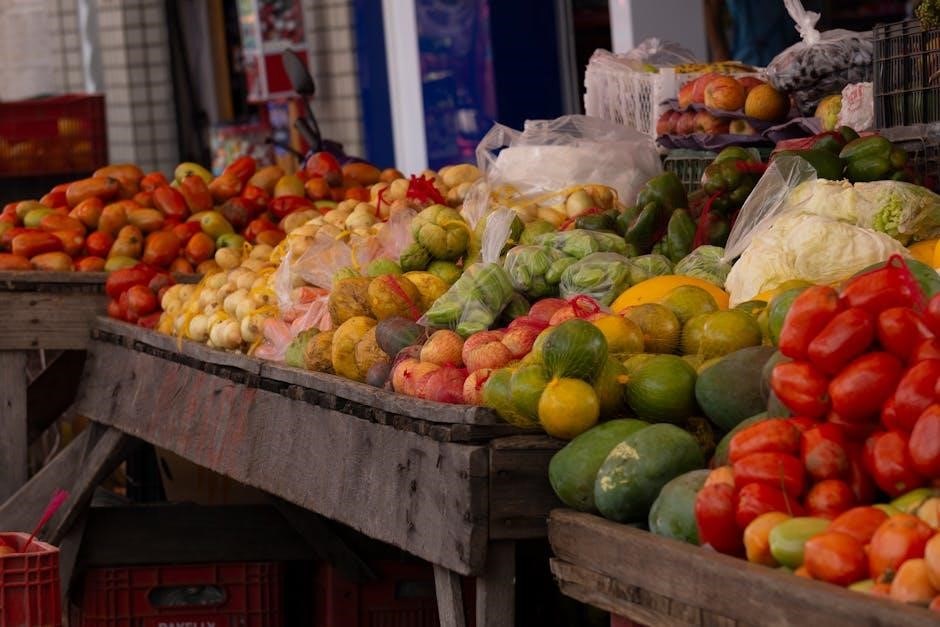
Foods like tomatoes, peppers, and eggplant contain moderate lectin levels, according to the “Plant Paradox” framework, and should be consumed sparingly on this diet.
Tomatoes
Tomatoes fall into Level 4, requiring significant limitation within the lectin-free diet, as outlined in resources like the “Plant Paradox Shopping List 2025” and comprehensive ingredient lists.
While not entirely off-limits, their lectin content necessitates mindful consumption. Shared Legacy Farms notes the importance of understanding lectin levels in commonly eaten foods, and tomatoes are a prime example.
Many individuals following Dr. Gundry’s protocol choose to minimize or avoid tomatoes, particularly unpeeled varieties, due to potential inflammatory responses. Resources emphasize that individual tolerance varies, but moderation is key when incorporating tomatoes into a lectin-restricted plan.
Consider the impact on your personal well-being when deciding how much to include.
Eggplant
Similar to tomatoes, eggplant is categorized within Level 4 – foods to limit significantly – on many lectin-free food lists, including those inspired by Dr. Gundry’s “Plant Paradox” approach, such as the 2025 shopping list.
These nightshade vegetables contain notable levels of lectins that can potentially trigger inflammatory responses in sensitive individuals. Resources emphasize that while complete avoidance isn’t always necessary, mindful portion control is crucial.
Shared Legacy Farms highlights the broader context of lectin reduction, and eggplant exemplifies a food where minimizing intake can contribute to overall gut health improvements;
Careful consideration of your body’s response is vital when incorporating eggplant into a lectin-restricted diet.
Peppers
Like tomatoes and eggplant, peppers fall into Level 4 – foods to limit significantly – on the lectin-free diet pyramid, as detailed in resources like the “Plant Paradox Shopping List 2025” and guides from Creative in My Kitchen.
These nightshade vegetables contain lectins that may contribute to inflammation and digestive discomfort for some individuals. While not strictly prohibited, moderation is key when including peppers in your meals.
The emphasis isn’t necessarily complete elimination, but rather a conscious awareness of portion sizes and individual tolerance levels.
Paying attention to how your body responds after consuming peppers is crucial for personalizing your lectin-free journey.
Level 5: Foods to Avoid (High Lectin Content)
Grains, legumes, nightshades (unpeeled potatoes, tomatoes), and conventional dairy are categorized as high-lectin foods, best avoided based on the “Plant Paradox” principles.
Grains (Wheat, Rice, Corn)
Grains like wheat, rice, and corn are prominently featured on “avoid” lists within the lectin-free diet, stemming from Dr. Gundry’s research detailed in resources like the “Plant Paradox Shopping List 2025”.
These grains contain high levels of lectins, which are believed to interfere with gut health and potentially trigger inflammatory responses. The rationale behind their exclusion isn’t simply about gluten (in wheat’s case), but the inherent lectin content itself.
Many comprehensive low-lectin ingredient lists, available through Amazon and other sources, consistently categorize these staples as problematic. Therefore, strict adherence to a lectin-free protocol necessitates eliminating these grains from the diet entirely, prioritizing alternatives found on lower levels of the food pyramid.
Legumes (Peanuts, Soybeans)
Legumes, encompassing peanuts and soybeans, are consistently identified as high-lectin foods to avoid on most lectin-free diet resources, including the popular “Plant Paradox Shopping List 2025”.
These plant-based proteins contain significant amounts of lectins that proponents believe can disrupt digestive processes and contribute to inflammation. Unlike some vegetables, preparation methods like soaking or pressure cooking aren’t considered sufficient to fully mitigate the lectin content in these legumes.
Comprehensive lists, such as those found on Amazon and through specialized cookbooks, reinforce this avoidance. Individuals following a strict lectin-free protocol generally eliminate these entirely, focusing on approved protein sources like grass-fed meats and wild-caught fish.
Nightshade Vegetables (Potatoes ౼ unpeeled, Tomatoes ⏤ unpeeled)
Nightshade vegetables, specifically potatoes and tomatoes when unpeeled, are flagged as foods to avoid or significantly limit within the lectin-free framework, as detailed in resources like the “Plant Paradox Shopping List 2025”.
The lectin concentration in the peels and seeds of these vegetables is considered particularly high. While peeling and deseeding potatoes can reduce lectin levels, many adherents opt for complete avoidance for simplicity, as noted by Shared Legacy Farms.
Comprehensive guides and cookbooks emphasize this restriction, suggesting alternative vegetable choices. Lists available on Amazon and through dedicated diet resources consistently categorize unpeeled nightshades as high-lectin offenders, impacting meal planning.
Dairy (Conventional Milk)
Conventional milk is generally categorized as a food to avoid on a lectin-free diet, according to numerous resources including the “Plant Paradox Shopping List 2025” and comprehensive ingredient lists found on Amazon.
The concern isn’t necessarily the milk itself, but the way conventionally raised dairy cows are fed – often a diet rich in lectin-containing grains. This impacts the lectin content of the milk produced.
While some individuals may tolerate dairy from grass-fed cows, standard, commercially available milk is typically excluded. Lectin-free cookbooks and guides consistently advise against its consumption, prioritizing gut health and minimizing inflammation.
Resources for a Lectin-Free Food List PDF
Numerous PDFs, like “The Plant Paradox Shopping List 2025” from Creative in My Kitchen, and books from Amazon, provide detailed lectin-free food guidance.
The Plant Paradox Shopping List 2025
This resource, highlighted by Creative in My Kitchen, stands out amongst the many Plant Paradox diet food lists available online. What makes it unique is its categorization of foods based on Dr. Gundry’s established food pyramid.
The list isn’t simply a “yes” or “no” compilation; it thoughtfully organizes approved foods into five levels. Level 1 features lectin-free foods for unrestricted consumption, forming the base of the dietary approach. As you move up the pyramid – Levels 2 through 5 – the recommendations shift towards moderation and eventual limitation.
This tiered system provides a practical and nuanced guide for navigating the lectin-free diet, helping individuals understand not just what to eat, but how much of each food is permissible, aligning with Dr. Gundry’s principles.
Comprehensive Low-Lectin Ingredient Lists
Beyond the structured approach of the “Plant Paradox Shopping List 2025”, numerous comprehensive low-lectin ingredient lists are readily available. These lists, often found within cookbooks and online resources like those mentioned on Amazon, aim to be exhaustive in detailing acceptable foods.
These detailed guides, such as the one featured in “Lectin Free Food Chart”, go beyond simple categorization, offering a complete reference for shoppers. They are designed for portability, allowing individuals to easily identify lectin-containing ingredients while grocery shopping.
These resources are invaluable for those seeking a deeper understanding of lectin content in various foods, empowering them to make informed dietary choices and adhere to the principles of a lectin-free lifestyle.
Lectin-Free Diet Cookbook for Seniors
Recognizing the unique dietary needs of seniors, specialized cookbooks like the “LECTIN-FREE DIET COOKBOOK AND FOOD LIST FOR SENIORS” are emerging as valuable resources. These cookbooks often integrate a comprehensive low-lectin ingredient list, simplifying meal planning and grocery shopping.
They focus on providing delicious and easily digestible recipes tailored to older adults, promoting weight loss, reducing inflammation, and improving gut health – key benefits of a lectin-free approach. These resources acknowledge that navigating a new diet can be challenging, especially for those with established eating habits.
By combining recipes with a readily accessible food list, these cookbooks empower seniors to embrace a lectin-free lifestyle with confidence and enjoyment.