King, Warrior, Magician, Lover: A Deep Dive into Archetypes
Moore and Gillette’s 1990 work, explored in texts like the “King, Warrior, Magician, Lover” PDF, details mature masculine archetypes and their shadow counterparts.
Robert Moore and Douglas Gillette’s influential work, often found as a “King, Warrior, Magician, Lover PDF,” posits that mature masculinity isn’t a singular trait, but a quartet of archetypes. These aren’t personality types, but innate patterns of energy. The book delves into each archetype – King, Warrior, Magician, and Lover – outlining their positive, mature expressions and the destructive shadow sides. Understanding these archetypes, as presented in resources like Mir kultury, offers a framework for personal growth and addressing masculine challenges. The exploration aims to move beyond simplistic notions of masculinity.
Historical Context of Moore and Gillette’s Work (1990)
Published in 1990, “King, Warrior, Magician, Lover” emerged from a period of evolving psychological thought. Moore and Gillette, drawing on Jungian psychology, sought to redefine masculinity beyond societal expectations. The “King, Warrior, Magician, Lover PDF” represented a response to perceived limitations in traditional masculine roles. Their work, detailed in texts like those from Luch Publ. (2020), aimed to provide a more nuanced understanding of male psychology, addressing issues of power, purpose, and emotional fulfillment, offering a framework for mature masculine development.
The Core Concept: Mature Masculine Archetypes
The central idea within “King, Warrior, Magician, Lover,” readily available as a “King, Warrior, Magician, Lover PDF,” posits four primary archetypes representing mature masculine energy. These aren’t personality types, but innate patterns of behavior. Each archetype – King, Warrior, Magician, and Lover – possesses both positive, mature expressions and destructive shadow sides. Understanding and integrating these archetypes, as outlined by Moore and Gillette, is crucial for psychological wholeness and balanced masculine expression.
The King Archetype
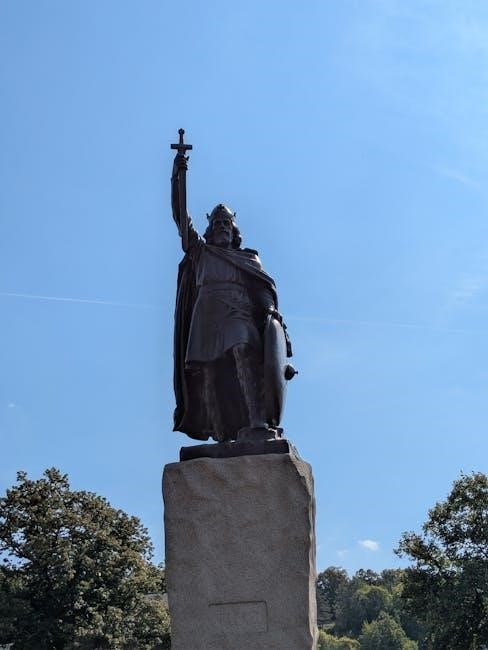
The King, detailed in the “King, Warrior, Magician, Lover PDF,” embodies order, stability, and benevolent rule, offering guidance and fostering growth.
Characteristics of the Mature King
As outlined in resources like the “King, Warrior, Magician, Lover PDF,” the mature King archetype isn’t about dominance, but responsible stewardship. He provides generative blessing, establishing order and security for his realm – be it a family, community, or organization.
This archetype demonstrates discernment, strategic vision, and a commitment to the well-being of others. He’s capable of both firm decision-making and compassionate understanding, fostering a sense of belonging and purpose. The mature King embodies integrity and inspires loyalty through his actions, not through force.
Shadow Aspects of the King: The Tyrant & The Weakling
The “King, Warrior, Magician, Lover PDF” details the King’s shadow sides. The Tyrant arises from unintegrated power, manifesting as control, ruthlessness, and a demand for obedience. Conversely, the Weakling abdicates responsibility, becoming indecisive, passive-aggressive, and unable to provide direction.
Both shadows stem from a lack of self-worth and a fear of vulnerability; The Tyrant overcompensates, while the Weakling collapses inward. Recognizing these patterns, as the text suggests, is crucial for integrating the King archetype healthily.
Integrating the King Archetype for Leadership
According to the “King, Warrior, Magician, Lover PDF”, true leadership stems from a fully integrated King archetype. This involves accepting responsibility, providing clear vision, and fostering growth within a community. It’s about benevolent authority, not dominance.
Integrating the King requires acknowledging and resolving the Tyrant and Weakling shadows. This allows for decisive action tempered with compassion and a genuine concern for the well-being of those led, creating sustainable and ethical influence.

The Warrior Archetype
The “King, Warrior, Magician, Lover PDF” defines the mature Warrior as possessing discipline and purpose, channeling energy towards focused, ethical goal achievement.
Defining the Mature Warrior: Discipline & Purpose
As detailed within the “King, Warrior, Magician, Lover PDF”, the mature Warrior archetype isn’t simply about aggression or conflict. It embodies focused energy, directed by a clear sense of purpose and unwavering discipline. This archetype understands boundaries, both personal and those imposed by reality, and acts with decisive intention.
He isn’t reckless; rather, he strategically applies force when necessary, always mindful of consequences. The mature Warrior champions just causes, defending what he values with courage and integrity. He’s not driven by a need to be a warrior, but by a commitment to protecting and achieving meaningful objectives, demonstrating self-mastery.
The Shadow Warrior: The Sadist & The Masochist
The “King, Warrior, Magician, Lover PDF” outlines the Warrior’s shadow sides: the Sadist and the Masochist. The Sadist finds gratification in dominating and inflicting pain, mistaking power for genuine strength. Conversely, the Masochist seeks suffering, believing it proves worthiness or earns respect;
Both represent a perversion of the Warrior’s core function. Instead of defending a worthy cause, they are trapped in cycles of aggression or self-destruction. These shadows lack discipline and purpose, acting out of woundedness rather than principle, demonstrating a distorted view of power dynamics.
Applying the Warrior Archetype to Goal Achievement
As detailed in the “King, Warrior, Magician, Lover PDF”, the mature Warrior archetype provides a framework for focused goal achievement. This involves disciplined action, clear boundaries, and a commitment to a defined purpose. It’s not about aggression, but about strategically channeling energy towards overcoming obstacles.
Successfully applying this archetype requires identifying worthy battles – goals aligned with core values. The Warrior embraces challenges, learns from setbacks, and maintains unwavering focus, transforming ambition into tangible results through consistent, purposeful effort.
The Magician Archetype
The “King, Warrior, Magician, Lover PDF” presents the Magician as embodying knowledge and wisdom, utilizing understanding to transform and innovate effectively.
Understanding the Mature Magician: Knowledge & Wisdom
According to resources like the “King, Warrior, Magician, Lover PDF”, the mature Magician archetype isn’t simply about possessing information; it’s about deeply understanding its application. This archetype thrives on insight, strategic thinking, and the ability to see patterns others miss.
He wields knowledge not for personal gain, but for positive transformation, skillfully navigating complexity. This archetype embodies a lifelong pursuit of learning and a commitment to using wisdom to create meaningful change, fostering innovation and offering guidance.
The Dark Side of the Magician: The Imposter & The Addict
The “King, Warrior, Magician, Lover PDF” details the Magician’s shadow side. The Imposter feigns knowledge, manipulating others through deception and lacking genuine skill. Conversely, the Addict becomes enslaved by patterns, seeking escape through compulsive behaviors, losing control and authentic power.
Both shadows misuse the archetype’s potential, prioritizing control and avoidance over genuine wisdom. These manifestations demonstrate a distorted relationship with knowledge, leading to self-sabotage and harm to others, highlighting the need for integration.
Utilizing the Magician Archetype for Innovation
As outlined in the “King, Warrior, Magician, Lover PDF”, the mature Magician fosters innovation through deep understanding and skillful application of knowledge. This archetype encourages exploring possibilities, transforming ideas into reality, and embracing creative problem-solving.
By cultivating curiosity and mastering relevant skills, individuals can harness the Magician’s power to generate novel solutions and drive positive change. This involves disciplined study, insightful analysis, and a willingness to challenge conventional thinking.

The Lover Archetype
The “King, Warrior, Magician, Lover PDF” details the Lover archetype, emphasizing passion, intimacy, and connection—vital for personal fulfillment and authentic relationships.
Exploring the Mature Lover: Passion & Connection
According to resources like the “King, Warrior, Magician, Lover PDF”, the mature Lover archetype embodies fully expressed passion, deep emotional connection, and genuine intimacy. This isn’t merely about romantic love; it’s about a profound appreciation for life and beauty.
It’s characterized by commitment, vulnerability, and the ability to experience pleasure without shame. The mature Lover finds joy in connection, fostering authentic relationships built on mutual respect and shared values. This archetype integrates sensuality with a strong moral compass, creating a fulfilling and balanced existence.
Shadows of the Lover: The Debauchee & The Victim
The “King, Warrior, Magician, Lover PDF” details the Lover’s shadow aspects. The Debauchee seeks pleasure without boundaries, becoming addicted to sensation and lacking genuine connection. Conversely, the Victim feels unworthy of love, attracting abusive relationships or self-sabotaging intimacy.
These shadows stem from unintegrated emotions and fears. The Debauchee avoids vulnerability through constant seeking, while the Victim believes they don’t deserve healthy love. Recognizing these patterns, as outlined in the resource, is crucial for healing and integration.
Embracing the Lover Archetype for Fulfillment
According to the “King, Warrior, Magician, Lover PDF”, fully embodying the Lover archetype fosters deep fulfillment. This involves cultivating genuine passion, embracing vulnerability, and prioritizing authentic connection in all relationships – romantic, platonic, and even self-relationships.
It’s about appreciating beauty, savoring experiences, and expressing affection freely. Integrating the Lover isn’t solely about romance; it’s about finding joy and meaning in life’s sensual and emotional dimensions, leading to a more complete and satisfying existence.

Shadow Archetypes: A Detailed Examination
The “King, Warrior, Magician, Lover PDF” explores eight shadow archetypes—dysfunctional expressions—stemming from the core four, impacting personal and spiritual well-being.
The Collective Unconscious and Shadow Work
Moore and Gillette’s framework, detailed within resources like the “King, Warrior, Magician, Lover PDF”, draws heavily from Jungian psychology and the concept of the collective unconscious. Shadow work, therefore, involves confronting these inherited, universal patterns of behavior residing within the unconscious mind.
Acknowledging and integrating these shadow aspects – the Tyrant, Weakling, Sadist, Masochist, Imposter, Addict, Debauchee, and Victim – is crucial for achieving psychological wholeness. Ignoring them leads to projection and destructive behaviors, hindering mature masculine expression. The PDF emphasizes this process as essential for personal growth.
Identifying and Integrating Shadow Aspects
The “King, Warrior, Magician, Lover PDF” outlines a process for recognizing shadow archetypes – the dysfunctional expressions of each core archetype. This involves honest self-reflection and acknowledging behaviors mirroring the Tyrant, Weakling, Sadist, or others;
Integration isn’t about eliminating these shadows, but understanding their origins and channeling their energy constructively. Recognizing triggers and patterns allows for conscious choice, preventing reactive behavior. The PDF suggests that embracing these darker sides fosters genuine maturity and wholeness.

Practical Applications of the Archetypes
The “King, Warrior, Magician, Lover PDF” demonstrates how understanding these archetypes improves relationships, career paths, and personal growth through balanced expression.
Relationships and the Four Archetypes
Analyzing relationships through the lens of the “King, Warrior, Magician, Lover PDF” reveals dynamic interplay. A healthy partnership requires aspects of all four archetypes; the King provides stability, the Warrior defends boundaries, the Magician fosters intimacy through understanding, and the Lover ignites passion and connection.
Imbalances – a dominant Warrior without a nurturing King, for example – can create conflict. Recognizing these archetypal roles within oneself and one’s partner facilitates deeper empathy and more fulfilling interactions, addressing dysfunction stemming from shadow aspects.
Career and Archetypal Expression
The “King, Warrior, Magician, Lover PDF” offers insights into career fulfillment by aligning work with dominant archetypes. The King excels in leadership and strategic roles, the Warrior thrives in competitive environments demanding discipline, and the Magician flourishes in innovative, knowledge-based fields.
The Lover finds purpose in careers emphasizing connection and creativity. Understanding your core archetype – and integrating shadow aspects – can guide career choices, fostering authenticity and preventing burnout. Recognizing these patterns unlocks professional potential.
Personal Growth and Archetypal Balance
Exploring the “King, Warrior, Magician, Lover PDF” reveals that personal growth hinges on archetypal balance. Integrating all four archetypes – and acknowledging their shadow sides – fosters wholeness. Overemphasis on one archetype leads to dysfunction; for example, a dominant Warrior can become aggressive, while a neglected Lover feels emotionally disconnected.
Shadow work, detailed within the framework, is crucial for self-awareness. Cultivating all four energies promotes emotional maturity, resilience, and a fulfilling life, moving beyond limiting patterns.

Criticisms and Considerations
The “King, Warrior, Magician, Lover PDF” faces critique regarding its gendered framework and cultural specificity, prompting discussions about broader archetypal applications.
Gendered Nature of the Archetypes
The “King, Warrior, Magician, Lover PDF” initially presents these archetypes primarily within a masculine context, leading to criticism. While Moore and Gillette focused on mature masculinity, the framework’s applicability to feminine expression is debated. Some argue the archetypes are universal, manifesting differently across genders, while others suggest inherent biases.
Exploring how these qualities appear in women—a “Queen, Warrior, Priestess, Lover” dynamic—becomes crucial for a balanced understanding. Modern interpretations strive for inclusivity, recognizing archetypal energies aren’t limited by gender, challenging the original model’s perceived limitations and fostering broader application.
Cultural Variations in Archetypal Expression
While the “King, Warrior, Magician, Lover PDF” proposes universal archetypes, their manifestation varies significantly across cultures. The expression of “King” energy, for example, differs greatly between a European monarchy and a tribal chieftainship. Similarly, the “Warrior” archetype’s emphasis on aggression versus defense shifts based on societal norms.
Understanding these nuances is vital; a Western interpretation might misinterpret Eastern expressions of the “Magician” or “Lover.” Cultural context shapes how archetypes are valued, suppressed, or integrated, demanding sensitivity when applying the model globally.
Resources and Further Reading
Moore and Gillette’s foundational work, readily available as a “King, Warrior, Magician, Lover PDF,” alongside Jungian texts, offers deeper exploration of these archetypes.
Robert Moore and Douglas Gillette’s Original Work
Robert Moore and Douglas Gillette’s 1990 publication, “King, Warrior, Magician, Lover: Rediscovering the Archetypes of the Mature Masculine,” is the cornerstone of this psychological framework. Frequently found as a “King, Warrior, Magician, Lover PDF” online, the book meticulously outlines four primary archetypes representing mature masculine energy. It contrasts these with their corresponding shadow aspects – the Tyrant, Weakling, Sadist, Masochist, Imposter, Addict, Debauchee, and Victim – detailing how unintegrated shadows manifest destructively.
The work draws heavily from Jungian psychology, offering a pathway to understand and integrate these powerful forces within the male psyche, promoting wholeness and balanced development.
Related Psychological Theories (Jungian Psychology)
The “King, Warrior, Magician, Lover” archetypes are deeply rooted in Carl Jung’s analytical psychology, particularly his concepts of the collective unconscious and archetypes. Jung posited universal, inherited predispositions shaping human experience. Moore and Gillette’s work expands on this, specifically applying archetypal theory to masculine psychology. Finding a “King, Warrior, Magician, Lover PDF” reveals how these archetypes represent fundamental patterns of behavior and potential.
Shadow work, central to both Jungian and Moore/Gillette’s approaches, involves acknowledging and integrating unconscious aspects of the self.
Online Communities and Discussions
Numerous online forums and communities actively discuss Robert Moore and Douglas Gillette’s “King, Warrior, Magician, Lover.” Searching for a “King, Warrior, Magician, Lover PDF” often leads to links to these discussions. These platforms provide spaces for individuals to share experiences integrating the archetypes into their lives, analyze shadow work, and debate the model’s strengths and limitations.
Many users share resources, interpretations, and personal journeys related to embracing these mature masculine energies.
The “King Jure Uxoris” and Archetypal Power Dynamics
“King Jure Uxoris” examples, though rare, challenge traditional sovereignty, impacting archetypal power dynamics explored within the “King, Warrior, Magician, Lover PDF” framework.
Historical Examples of Kings Consort
Historically, the “King Jure Uxoris” – king by right of his wife – represents a fascinating deviation from typical patriarchal structures. While limited, approximately 27 documented cases exist, showcasing husbands of reigning queens assuming royal titles and authority. These instances, often arising from political necessity or dynastic concerns, demonstrate shared sovereignty.
Examples include Prince Albert, consort to Queen Victoria, and Philip of Spain, husband to Queen Mary I of England. Studying these figures, alongside the broader archetypes detailed in resources like the “King, Warrior, Magician, Lover PDF”, illuminates nuanced power dynamics and challenges conventional notions of masculine leadership.
Archetypal Implications of Shared Sovereignty
The “King Jure Uxoris” archetype challenges traditional masculine dominance, suggesting a mature King archetype capable of supporting and empowering a female sovereign. This embodies a shift from controlling power to collaborative leadership, integrating aspects of the Lover archetype – valuing connection and partnership.
Analyzing these historical examples, alongside the framework presented in the “King, Warrior, Magician, Lover PDF”, reveals how a balanced expression of masculine energy can manifest in unconventional roles, fostering stability and prosperity through shared authority rather than singular rule.

Modern Relevance and the Archetypes
The “King, Warrior, Magician, Lover PDF” offers insights into contemporary masculine struggles, highlighting integration as key to navigating modern challenges and societal expectations.
Addressing Contemporary Masculine Challenges
Moore and Gillette’s framework, detailed within resources like the “King, Warrior, Magician, Lover PDF”, provides a lens for understanding modern masculine difficulties. The work suggests that societal shifts often leave men disconnected from healthy archetypal expression, leading to dysfunction.
Specifically, the absence of integrated archetypes can manifest as emotional unavailability, aggression, or a lack of purpose. The PDF emphasizes reclaiming these energies – embracing responsible power (King), disciplined action (Warrior), insightful wisdom (Magician), and authentic connection (Lover) – as crucial for navigating contemporary expectations and fostering well-being.
The Archetypes in Popular Culture (One-Punch Man ― King)
The character King from “One-Punch Man” offers a fascinating, albeit ironic, illustration of the King archetype, as explored in resources like the “King, Warrior, Magician, Lover PDF”. Despite lacking actual power, King’s reputation and the fear he inspires embody the archetype’s influence and authority.
His perceived strength, built on luck and circumstance, highlights the shadow side – the Tyrant – where power isn’t earned but attributed. This deconstruction playfully examines how archetypes function within narratives and societal perceptions, prompting reflection on genuine versus perceived leadership.