Overview of Free Pajama Shorts Patterns
Discover free pajama shorts PDF patterns on PatternReview.com‚ featuring InHouse Studio’s 4‑part tutorial and Alexandra Morgan’s concise guide. Ideal for beginners seeking quick‚ comfy results.!
What Makes a Pattern Free and PDF?
Free pajama shorts patterns are typically distributed as downloadable PDF files‚ allowing users to print and cut directly from their home computers. The “free” designation comes from the absence of a purchase price; designers release the pattern files under permissive licenses or as public domain content‚ often to promote their brand or community engagement. PDF format is chosen for its universal compatibility—any operating system with a PDF reader can open the file‚ and the embedded vector lines and measurements remain crisp when scaled. Many creators embed instructional text‚ size charts‚ and step‑by‑step diagrams within the same PDF‚ so the user receives both the template and the sewing guide in one package. This dual‑purpose format saves time and eliminates the need for separate hard‑copy patterns‚ making it ideal for beginners and experienced sewers alike. The PDF also contains quick‑reference chart that shows how to adjust the waist and leg length for fit.
Free pajama shorts PDFs have become a staple in the online sewing community‚ with PatternReview.com hosting a dedicated discussion thread that attracts users seeking elastic‑waist designs for big bum and thighs. The thread’s popularity is driven by the fact that InHouse Studio’s 4‑part tutorial is available at no cost‚ and Alexandra Morgan’s short tutorial PDF is equally accessible. Users share screenshots of their finished shorts‚ ask for sizing tweaks‚ and post step‑by‑step photos that help novices avoid common pitfalls. Because the patterns are free‚ the barrier to entry is low‚ encouraging a wide range of hobbyists to experiment with different fabrics and cuts. The community’s active feedback loop—comments‚ likes‚ and shared hacks—creates a living resource that continually updates with new tips‚ making the patterns more useful over time. This collaborative environment has turned the PDFs into a go‑to reference for anyone who wants a comfortable‚ and customizable pajama short without spending money on commercial patterns. They are frequently posted on sewing forums and shared in Facebook groups!
Types of Pajama Shorts Patterns Available
Free patterns feature InHouse Studio’s 4‑part tutorial and Alexandra Morgan’s concise PDF‚ offering cuts for beginners and sewers easy alike. They cater to various body shapes and fabric choices.
Elastic-Waist Designs for Comfort
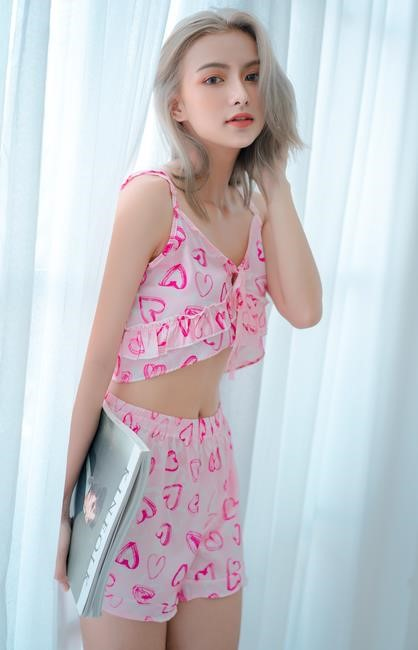
Free pajama shorts PDFs often emphasize an elastic waist for a relaxed fit. InHouse Studio’s 4‑part tutorial demonstrates how to draft a waistband that gathers smoothly‚ preventing bulk and allowing easy movement. The pattern includes a simple elastic insert that can be cut to length‚ ensuring a snug yet forgiving seal around the hips. The elastic is sewn in a continuous loop‚ with a small seam allowance to prevent fraying. When finished‚ the shorts sit comfortably on the hips‚ providing a flexible fit that adapts to body shape changes throughout the day. This design is especially beneficial for larger busts or thighs‚ as the elastic accommodates movement without pulling or sagging. By following the free PDF instructions‚ beginners can create a pair of pajama shorts that combine style‚ comfort‚ and practicality in a single project.elastic fit.
- Use a ¼‑inch elastic for a snug fit.
- Cut elastic to length‚ fold‚ and stitch.
- Test fit before final seam.
One-Size-Fits-All vs. Size-Specific Templates
Many free pajama shorts PDFs offer both one‑size‑fits‑all and size‑specific options. The one‑size template‚ often found on PatternReview.com‚ uses a single set of measurements that can be adjusted with simple length or waist modifications. This approach is ideal for quick projects‚ allowing the user to cut a single pair and then tailor it to fit. Size‑specific templates‚ such as those from InHouse Studio’s 4‑part tutorial‚ provide detailed charts for waist‚ hip‚ and inseam measurements‚ ensuring a precise fit for each size. The free PDF from Alexandra Morgan includes a small chart that guides the user through adjusting the pattern for different body types‚ especially useful for larger hips or thighs. When choosing between the two‚ consider the amount of tailoring you are comfortable with and the consistency of your measurements. One‑size templates save time‚ while size‑specific patterns deliver a more accurate fit out of the box. Both options are available for free‚ giving beginners flexibility in how they approach their first pajama shorts project. Additionally‚ the one‑size pattern often includes a built‑in elastic waistband that can be extended or shortened with a simple stitch‚ whereas the size‑specific pattern requires measuring the elastic length for each size‚ adding a layer of customization. Both patterns are downloadable as PDFs and can be printed on standard printer paper‚ making them accessible for any sewing enthusiast.
Key Sources for Free PDF Patterns
PatternReview.com hosts InHouse Studio’s 4‑part free PDF tutorial‚ while Alexandra Morgan offers a concise shorts guide. Both are downloadable‚ beginner‑friendly‚ and perfect for quick‚ comfy pajama shorts.
PatternReview.com and InHouse Studio Tutorial
PatternReview.com offers a comprehensive‚ free PDF that walks users through the entire process of creating pajama shorts‚ from initial measurements to final hemming. The tutorial‚ produced by InHouse Studio‚ is split into four distinct sections: 1) a detailed drafting guide that explains how to translate waist‚ hip‚ and leg measurements into a clean‚ functional pattern; 2) a cutting sheet that includes all necessary seam allowances and a clear layout for front‚ back‚ and side pieces; 3) a sewing instructions segment that covers the assembly of front and back panels‚ the placement of elastic waistbands‚ and the stitching of side seams; and 4) a finishing guide that offers tips on hemming‚ adding bias tape‚ and ensuring a comfortable‚ snug fit. Each part is accompanied by high‑resolution diagrams‚ step‑by‑step photos‚ and downloadable PDF files that can be printed or used on a tablet. The pattern is designed for beginners‚ with a focus on simplicity‚ minimal fabric waste‚ and easy modifications for different body shapes. Users can download the PDF for free‚ print the pattern sheets‚ and follow the instructions to produce a pair of cozy‚ breathable pajama shorts in under an hour. All steps are illustrated now.
Download the PDF from the siteand start crafting.
Alexandra Morgan’s Short Tutorial PDF
Alexandra Morgan’s free PDF offers a concise‚ beginner‑friendly guide to crafting pajama shorts. The tutorial focuses on a single‚ versatile pattern that adapts to various sizes by adjusting the waist and hip measurements. It begins with a quick measurement chart‚ then walks the reader through drafting the front and back pieces using simple straight lines and a single seam allowance. The PDF includes a printable cutting sheet with all necessary seam allowances and a clear layout for front‚ back‚ and side panels. Sewing instructions are broken into three easy steps: 1) sew the front and back panels together at the side seams‚ 2) attach an elastic waistband that fits snugly without cutting into the fabric‚ and 3) finish the hems with a bias‑tape or a simple fold‑and‑sew technique. Morgan emphasizes using soft cotton or modal blends for comfort. The PDF also contains troubleshooting tips for common issues such as uneven hems or loose elastic. Enjoy!.

Materials and Fabric Recommendations
Choose breathable fabrics like 100% cotton‚ modal blends‚ or a cotton‑spandex mix for stretch. Soft‚ lightweight material keeps you cool while the elastic waistband ensures a snug fit and soft!
Soft Cotton and Modal Blends for Pajamas
Free PDF patterns recommend soft cotton or modal blends for breathable pajama shorts. Cotton keeps skin cool; modal adds silky feel and moisture‑wicking. A 50/50 cotton‑modal mix gives durability‚ stretch‚ and a smooth finish that resists pilling. Choose a weight 4.5–5;5 oz per yard for balance. Wash before cutting to pre‑shrink and avoid distortion. Add 2–3% elastane for a relaxed fit that doesn’t constrict thighs or hips. Patterns usually list 1.5–2 yards of fabric‚ enough for front‚ back‚ and seam allowance. The result is soft‚ breathable shorts that feel like a second skin‚ ideal for lounging or light sleepwear. After sewing‚ wash the shorts in cold water and tumble dry on low to preserve elasticity. If you prefer a longer leg‚ simply increase the pattern length by 2 inches before cutting. For a more fitted look‚ add a small dart at the waist to shape the hips. If the fabric feels too stiff‚ pre‑wash with a fabric softener before cutting!!
Stretchy Fabrics for Easy Fit
Free PDF patterns recommend so soft fabrics with 5–10% elastane‚ jersey knit or blends‚ for pajama shorts. The elastane lets the garment stretch over hips and thighs‚ keeping shape and comfort. Choose a weight of 4–5 oz per yard; heavier fabrics may feel stiff‚ while options slip or sag. A common choice is a 50/50 cotton‑polyester blend with 6% elastane‚ offering durability and a slight stretch that keeps the shorts in place during sleep or lounging. Wash the fabric to remove sizing and test stretch; if the material shrinks‚ adjust pattern dimensions. After cutting‚ use a thread such as polyester to maintain elasticity at seams. Finish hems with a edge or a tape to prevent fraying while preserving the fabric’s stretch. Finally‚ wash the shorts in cold water and tumble dry on low to keep the stretch intact and avoid puckering. This approach ensures a comfortable‚ fit pajama short that moves with you. Add a trim or pocket for style. The garment is ideal for warm nights. The patterns are free to download and come in PDF format‚ making them easy to print and use right away. They also include optional measurements for different body types‚ ensuring a perfect fit for everyone. Try them today and enjoy a cozy‚ custom‑made pajama set. All updated!

Measurement Guide for Accurate Fit
Measure waist at natural waistline‚ hips at widest point‚ and short length from waist to desired hem. Record each measurement‚ then adjust pattern by adding ease for comfort. Add a small ease.!!

Waist and Hip Measurements for Short Length
When drafting a free pajama shorts PDF pattern‚ accurate waist and hip measurements are essential for a comfortable fit. Start by measuring the natural waistline—where the garment will sit snugly—using a flexible tape. Record this measurement in inches or centimeters. Next‚ measure the hips at the widest part of the buttocks‚ ensuring the tape stays level across both sides. For short-length shorts‚ subtract 2–3 inches (5–7 cm) from the hip measurement to account for the desired hem length‚ while adding a small amount of ease (typically 1–2 inches) to accommodate movement and prevent tightness. If the pattern includes a gusset or additional fabric for the thigh area‚ adjust the hip measurement accordingly. Always double‑check both measurements before cutting to avoid errors. This simple method ensures the shorts fit comfortably and look proportionate on any body shape. Use these measurements to adjust the pattern’s waist and hip darts‚ ensuring a flattering fit for all body types and confidence.!!!
Adjusting for Big Bum and Thighs
When drafting a free pajama shorts PDF‚ start by measuring the waist and hips accurately. Add extra ease—about 1.5 to 2 inches—to the hip line‚ then extend the thigh panel by 1–2 inches to accommodate bulk without restricting movement. For a relaxed fit‚ use a gusset or a relaxed leg shape to distribute volume evenly. The waistband should feature a wide elastic band or a fabric‑wrapped elastic for added support; a 2‑inch elastic works well for most body types. Place a dart at the back center to relieve excess fabric‚ and consider a front dart or a small seam allowance adjustment to keep the front flat. Test the pattern on a muslin mock‑up; adjust the leg opening or the gusset angle until the shorts sit comfortably on the hips and thighs without pulling. This approach keeps the garment loose enough for comfort while maintaining a clean‚ tailored silhouette. Test the fit‚ adjust the elastic width or add a small dart if needed. Polished seam the look clean!!!. This tweak gives flattering fit everyone.
Drafting and Cutting the Pattern
Follow the 4‑part InHouse Studio tutorial: draft front and back pieces‚ add 1‑inch ease‚ mark waist‚ hip‚ and leg length. Cut on grain‚ keep fabric flat‚ and trim edges cleanly. Add ½‑inch seam.
Step-by-Step Drafting from the 4-Part Tutorial
Measure waist‚ hip‚ and leg length. 2. Draft front and back pieces on a 4‑part template‚ adding 1‑inch ease for comfort. 3. Mark waistline‚ hip curve‚ and leg opening. 4. Add a ½‑inch seam allowance. 5. Cut on the grain‚ keeping fabric flat. 6. Test fit with a muslin‚ adjusting waist or hip as needed. 7. Finalize pattern‚ label front/back‚ and prepare for cutting. 8. Use the free PDF from PatternReview.com or Alexandra Morgan’s guide for reference. 9. Remember to keep the pattern symmetrical for even hem length. 10. Store the pattern in a dry place to avoid creases.Follow the PDF layout carefully‚ marking the seam lines precisely. Adjust the waistline for a snug fit‚ and use a ruler to ensure consistent leg openings. When cutting‚ keep the fabric flat to avoid distortion. Test the pattern with a muslin first to confirm the fit before cutting the final fabric. For elastic waistbands‚ cut a strip and sew it into the waist seam. Always check the pattern against your measurements before cutting.!
Cutting Tips to Preserve Fabric Integrity
When working with soft cotton or modal blends‚ keep the fabric flat and avoid stretching it during cutting. Use a sharp rotary cutter and a cutting mat to ensure clean edges. Lay the pattern on the fabric with the grain running parallel to the length of the shorts‚ then trace the outline with a fabric pen; For elastic‑waist designs‚ cut the waistband strip on the bias to allow it to stretch without puckering. Mark the seam allowance clearly‚ and use a ruler to keep the lines straight. If the fabric has a print‚ cut on the bias to keep the pattern orientation consistent. After cutting‚ press the edges lightly with a steam iron to set the cut lines and reduce fraying. Store the cut pieces in a dry‚ flat area to prevent creases. When cutting multiple pieces‚ use a pattern divider to keep the pieces aligned. Finally‚ double‑check the pattern’s symmetry and seam allowances before cutting‚ as a misalignment can lead to uneven hems balanced look?

Sewing the Pajama Shorts
Begin by aligning front and back pieces‚ pressing seams‚ then sewing the side seams with a straight stitch. Attach elastic waistband‚ finish hems‚ and add a neat‚ comfortable edge. ensure a finish now!!.
Assembly of Front and Back Pieces
First‚ lay the front and back pattern pieces on the fabric‚ ensuring the grainlines run parallel to the selvage. Pin the pieces together with the right sides facing each other‚ using a small amount of thread to hold them in place. Carefully stitch along the side seams‚ leaving a small seam allowance for the elastic waistband. Once the sides are joined‚ turn the shorts right‑side out and press the seams flat with an iron. Next‚ fold the waistband edge inward by about ½ inch‚ then fold again to create a double‑folded elastic channel. Pin the channel in place and stitch it closed‚ leaving a small opening to insert the elastic. After inserting the elastic‚ sew the opening shut. Finally‚ hem the bottom edge by folding the fabric twice‚ pinning‚ and stitching a neat‚ invisible seam. This method ensures a smooth finish and a comfortable fit for all body types. The seamless construction allows easy washing and quick drying‚ making these shorts everyday wear!!!!!!!!
Seam Finishing for Comfort
After assembling the front and back pieces‚ focus on smooth‚ breathable seams that won’t irritate the skin. Use a lightweight‚ stretch‑friendly thread that matches the fabric color to keep the look clean. Start with a narrow flat‑lock stitch along the side seams; this reduces bulk and maintains the elastic waistband’s flexibility. For the waistband‚ employ a narrow zig‑zag or a hand‑sewn invisible stitch to secure the elastic channel without adding stiffness. When hemming the shorts‚ fold the hem twice to create a double‑folded edge‚ then stitch with a small‚ tight zig‑zag to prevent fraying. Finish the hem with a small overlock or a hand‑sewn blind stitch for a professional look. Finally‚ press all seams with a warm iron and a pressing cloth to avoid scorch marks. These finishing techniques ensure a comfortable‚ durable fit that stays soft through multiple washes‚ making the shorts ideal for relaxed‚ everyday wear. The seams are reinforced with a subtle bias tape for added durability.!!and
Finishing Touches and Troubleshooting
Add elastic waistband‚ adjust hem length‚ use bias tape for seam reinforcement‚ steam to remove puckers‚ replace missing stitches‚ ensure comfort and durability. Quick fixes keep shorts flawless.!!!!!!!
Adding Elastic Waistbands and Hem Adjustments
Begin by measuring the waist and hip‚ then cut a ½‑inch wide elastic band that fits comfortably. Thread the elastic through a small slit in the waistband seam‚ stitch the ends together‚ and secure with a small button or hook‑and‑loop fastener for easy removal. For a smooth finish‚ use a bias‑tape reinforcement on the waistband to prevent puckering. Next‚ determine the desired hem length: fold the raw edge to the target measurement‚ press‚ and stitch a straight or zig‑zag seam. If the fabric is stretchy‚ add a thin strip of bias tape along the hem to lock the shape. Trim excess elastic‚ press the waistband‚ and apply a seam sealant to keep the elastic from slipping. Mark the elastic loop with a fabric marker for fast placement. Finally‚ test the fit‚ adjust the elastic tension if needed‚ and add a decorative button or snap for a polished look. This approach delivers a comfortable‚ durable‚ and stylish pajama short that fits well for any body type.
Common Issues and Quick Fixes
When working with free pajama shorts PDF patterns‚ common pitfalls include a sagging elastic waistband if the elastic is too long or the seam is too narrow‚ causing a loose fit. Trim the elastic to the exact waist measurement and reinforce the seam with a narrow bias‑tape strip. Uneven hem length can occur if the fabric has a natural bias; measure both legs before cutting the hem‚ fold to the desired length‚ and stitch a straight‑seam to keep the hem flat. For larger hips or thighs‚ add ½‑inch extra room in the hip and thigh areas or use a stretch fabric to avoid a tight silhouette. If the seam lines show puckering‚ apply a seam‑sealant or a small amount of fabric glue to smooth the surface. These quick adjustments keep the shorts comfortable‚ functional‚ and ready to wear. If seam allowances are too large‚ cut them ¼ inch shorter and test swatch before cutting now.